Choosing a Barcelona City Tour in Ciutat Vella
Picking a barcelona city tour is less about finding the biggest list of sights and more about matching the day to your pace, starting point and interests. Ciutat Vella rewards unhurried exploration. Its narrow lanes, shaded squares and busy streets can feel very different at nine in the morning than they do late in the afternoon. Before you choose, decide what kind of day you want, then check the practical details that shape it.
Start with the area you want to understand
Begin by marking the part of the city that matters most to you. A first visit often centres on the old streets around Barcelona Cathedral, the Gothic Quarter and Las Ramblas. That kind of route works well if you want stone arcades, medieval lanes and a clear sense of how the old centre fits together. A route focused on Gaudí may lean toward La Sagrada Familia, Casa Batlló and Park Güell, with more travel between stops.
The address area here is Ciutat Vella, so a tour that starts near Via Laietana can be convenient for the old centre. That does not mean every route from the area covers the same ground. Read the route description closely and look for named streets, neighbourhoods and landmarks. If the itinerary only says central Barcelona, ask for the meeting point and the main stops before you commit.
One local option is City Tour Barcelona & Sagrada Familia. Treat that as a starting point among local choices, then compare it with the route, timing and terms of whichever option you are considering.
Set your pace before you compare routes
A good tour should fit your energy, not fight it. Walking routes sound manageable on paper, but Barcelona pavements, heat, crowds and frequent stops can make a compact route feel longer. If you are visiting with children, older travellers or anyone who needs regular breaks, look for a route with clear pauses and a manageable distance between stops.
Think about the shape of the day. A short route can be useful before a museum booking or an evening meal. A longer route may suit a day with few fixed commitments. Beware of itineraries that list too many famous names without explaining how you move between them. The best route has breathing space, a logical direction and a few moments where you can stand back and take in the surroundings.
Check whether the route is mainly on foot or uses transport between distant sights. If transport is included, find out whether it is a bus, metro, train or something else, and whether transfers are part of the plan. This matters around La Sagrada Familia and Park Güell, where the journey can be as tiring as the visit if the day is already full.
Choose the theme that suits your interests
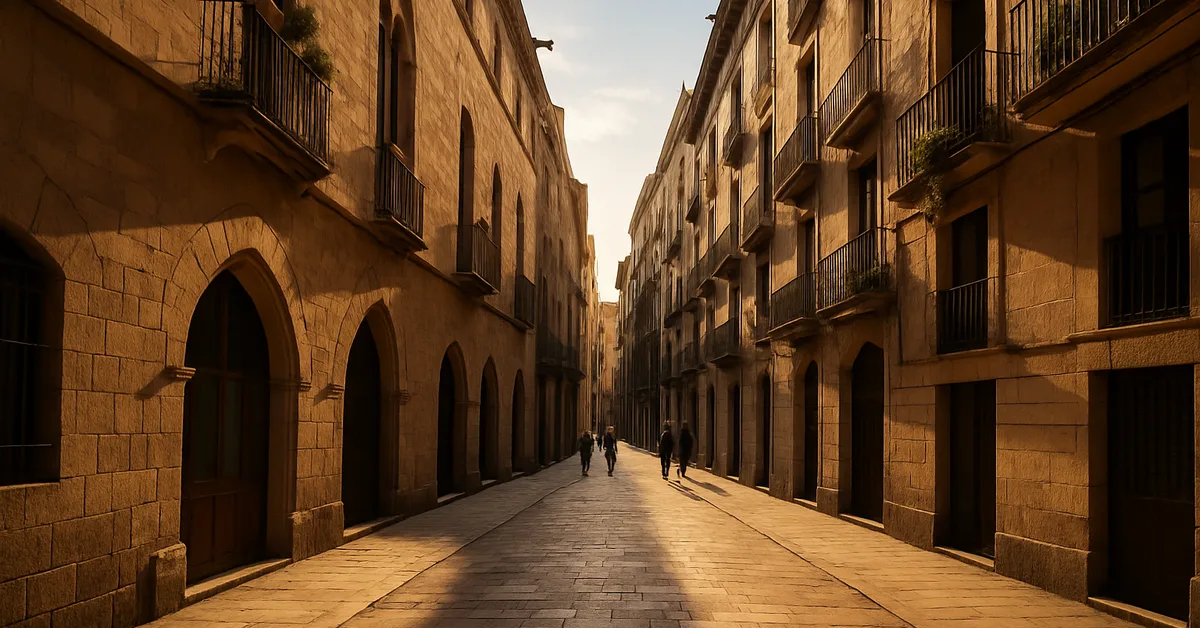
Some visitors want history, some want architecture, and others want food, photography or a general introduction. The right choice depends on what you want to remember. A history-led route through the Gothic Quarter can make the old centre easier to read, especially when it explains how Roman walls, medieval streets and later civic buildings sit alongside one another. An architecture-led route may spend more time on façades, details and the careers of the people who shaped them.
If your interests are broad, a general city route can give you a useful map of the place. Look for a balance between famous sights and smaller corners. A route that stops only at postcard landmarks may leave little time to understand the streets around them. On the other hand, a route that stays entirely in side lanes may disappoint someone hoping to see Barcelona Cathedral or the façade of La Sagrada Familia.
Food can be a strong theme, but it needs extra attention. Check what is included, how many stops there are, and whether dietary needs can be handled. If a tasting stop matters to you, confirm it with the business you choose rather than assuming it from the title. The same applies to entry inside landmarks. Viewing a building from outside and going inside are very different experiences.
Check the meeting point and the first ten minutes
The first ten minutes often reveal how organised a day will be. A clear meeting point helps you arrive calmly. Look for a precise street address, a nearby landmark and guidance on what to do if you are running late. Ciutat Vella can be tricky for first-time visitors because similar lanes overlap, and a pinned location may sit on a busy road rather than an easy place to stand.
Arrive a little early, especially around Las Ramblas and other crowded areas. Give yourself time to find the exact spot, check your phone and ask a simple question if needed. If the starting point is near a major square or transport hub, work out where you will stand before the group gathers.
It is also worth checking how the group is identified. A guide with a clear sign or distinctive marker is easier to find than a vague promise to meet outside a landmark. Details like this are small, but they prevent a stressful start.
Read the timetable with real eyes
Duration is only useful when you know what fills the time. A two hour route may be brisk and focused, while a half day route may include long stops or transport. Ask what happens at each stop and how long you remain there. If entry is part of the plan, queues and security checks can change the rhythm of the day.
Time of day matters too. Morning light is pleasant for photographs around the old centre, while late afternoon suits a slower walk and a meal afterwards. Summer heat can make midday walking tiring, particularly on open streets. Rain can make cobbled lanes slippery, so choose footwear with grip and keep a light layer handy.
Some visitors compare options while researching citytourinbarcelona.com, then return to the basics of date, time and meeting point. That practical check is more useful than a polished description. If you have a fixed booking later in the day, work backwards from it and leave a margin for delays.
Look closely at group size and language
Group size changes the feel of a tour. A smaller group makes it easier to ask questions and hear the guide. A larger group may move more slowly at busy sights and give less time for personal questions. If you are a quiet traveller, check whether the format is conversational or more like a lecture.
Language is another point to confirm. A route may be advertised in one language, run in another, or include more than one group. Check the language of the guide before booking, especially if you are travelling with people who need clear explanations. If live translation is involved, ask how it works and whether it slows the pace.
Accessibility should be checked in the same practical way. Ask about steps, uneven surfaces, public transport use and rest stops. Older parts of Barcelona can include tight pavements and kerbs that are awkward for wheelchairs, prams or anyone with limited mobility. It is better to know this before the day begins.
Compare what is included and what is not
Before paying, make a simple comparison of inclusions. Entry tickets, transport, food, headsets and hotel pickup can change both the price and the pace. A lower headline figure may leave you paying separately for several extras, while a higher one may only be worthwhile if those extras match your plans.
Useful questions include:
- Are entry tickets included for places such as La Sagrada Familia or Park Güell?
- Is transport between stops included, and are transfers explained?
- Are food tastings included, and can dietary needs be discussed in advance?
- What happens if a landmark is closed or a route changes?
- How does the booking handle changes, cancellations or late arrival?
Those answers help you judge value without guessing. If a detail matters to your day, confirm it with whichever business you choose. Avoid relying on a general description when the meaning could change your plans.
Use reviews carefully, then make a decision
Reviews can reveal patterns, but they should be read with care. Look for repeated comments about clarity of directions, pace, group management and the balance between facts and free time. A single glowing comment or one harsh complaint says little on its own. Repeated points are more useful, especially when they describe practical matters rather than mood.
Also check the date of comments. Routes, entry systems and crowd patterns can change. A note about an easy meeting point may no longer apply if a street layout or local traffic arrangement has changed. Focus on comments that help you prepare, such as whether the guide was easy to hear or whether breaks were built in.
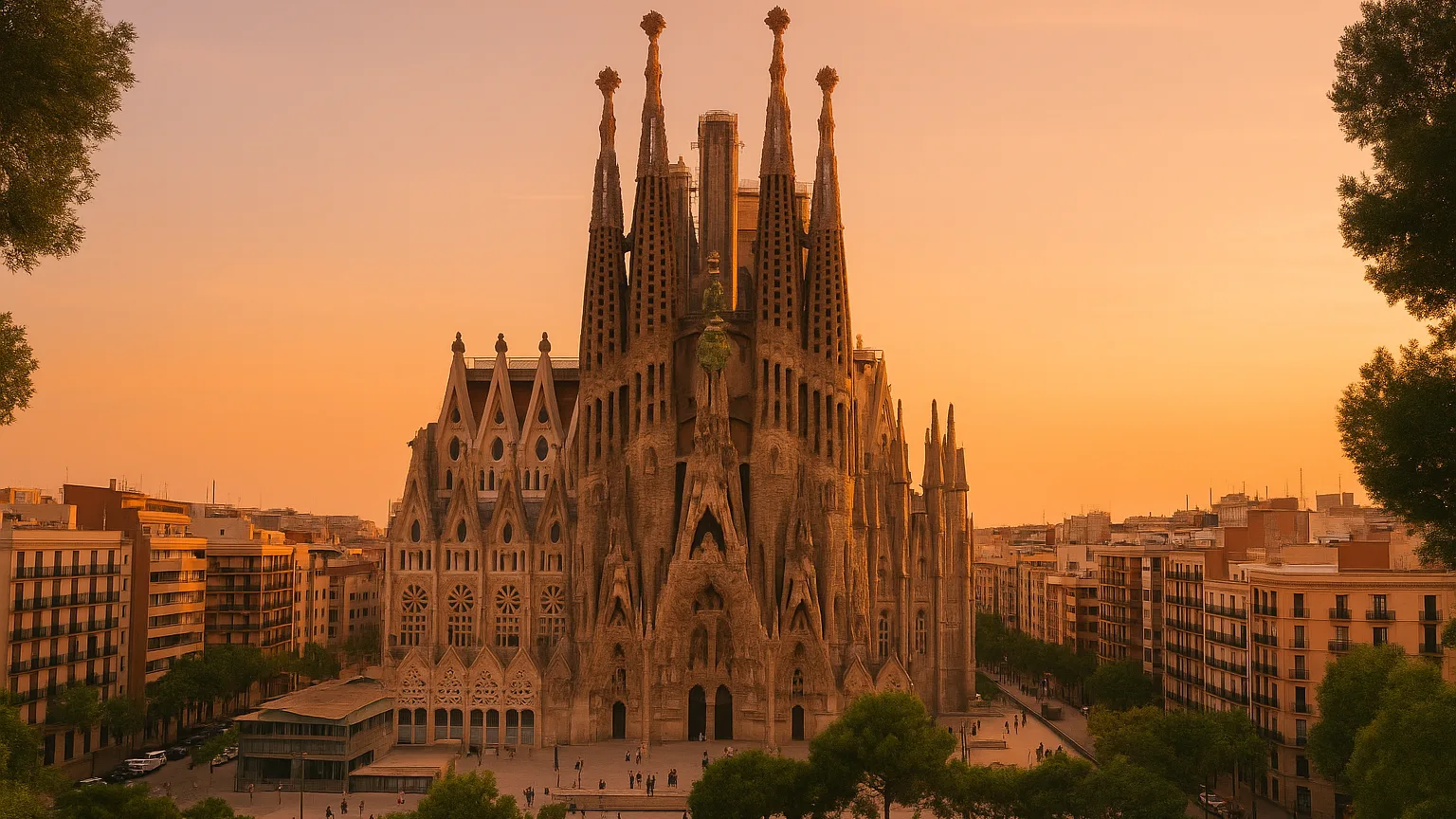
When the route, pace, language, inclusions and meeting point line up, the choice becomes much simpler. The best barcelona city tour for you is the one that leaves enough room to enjoy the city after the route ends, not one that simply packs in the most names. If you want a local starting point in the old centre, local businesses such as City Tour Barcelona & Sagrada Familia can be compared on those same practical terms.
Make a final check the day before
Once you have chosen, confirm the meeting point, start time, language and what to bring. Keep a screenshot or saved copy of the booking details, since mobile signal in busy streets can be uneven. Check the weather and plan shoes, layers and water accordingly. If the route ends somewhere different from where it starts, work out the return journey in advance.
A little preparation protects the day. You can then pay attention to the streets, the buildings and the small details that make central Barcelona distinctive, from a quiet cloister near Barcelona Cathedral to a busy corner off Las Ramblas. A well matched tour gives you orientation without turning the whole day into a race.
City Tour Barcelona & Sagrada Familia is at Via Laietana, 28, Ciutat Vella, 08003 Barcelona, Spain, and can be contacted at +34 632 93 79 41.